👋 Questions? Chat with us now!

How Much Does It Cost to Rent a Commercial Coffee Machine?
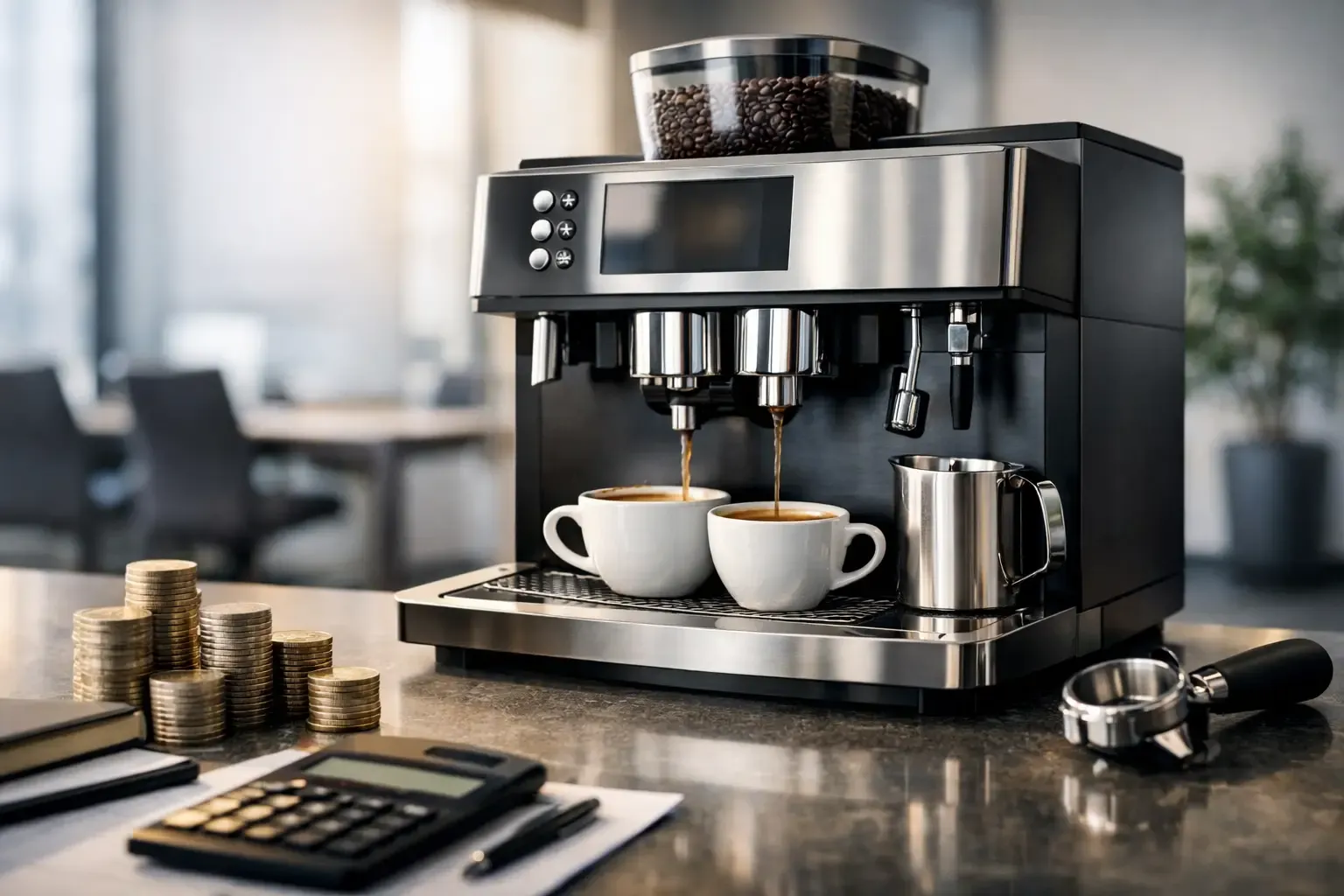
That question usually comes up just after someone realises the office kettle is doing a poor job of keeping staff happy – or when a hotel, showroom or café wants better coffee without the upfront hit of buying equipment outright. If you’re asking how much does it cost to rent a commercial coffee machine, the short answer is that most UK businesses can expect anything from around £25 to £250+ per week, depending on the machine, the contract, and what is included.

That is a wide range, and for good reason. A compact bean-to-cup machine for a small office is a very different proposition from a high-output fresh milk machine serving hundreds of drinks a day. Rental pricing is shaped by the machine itself, but also by service cover, ingredient supply, installation needs and how flexible you need the agreement to be.

How much does it cost to rent a commercial coffee machine in the UK?

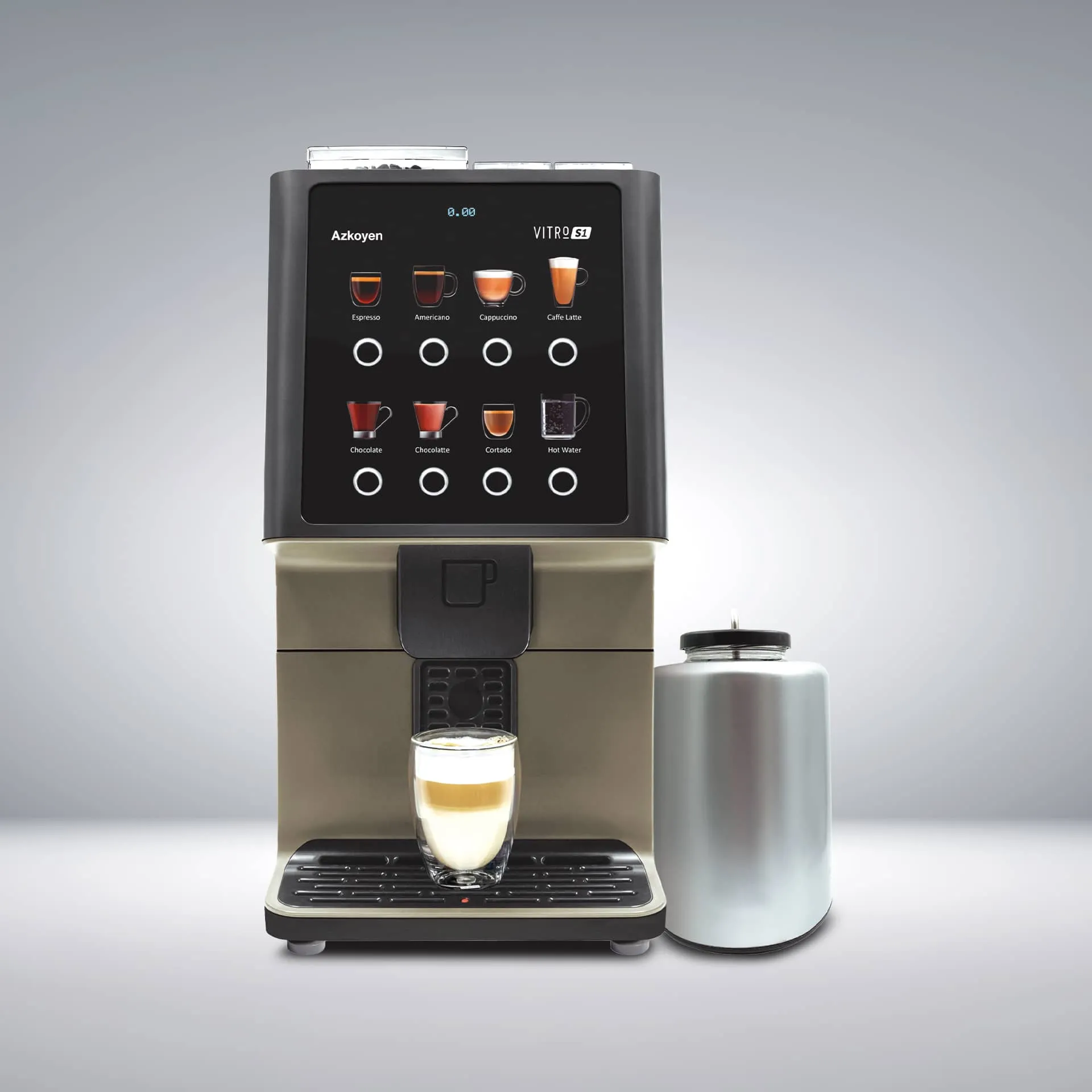
For a simple benchmark, entry-level commercial rentals often start at roughly £100 to £250 per month. These are typically suited to smaller teams, lower daily demand, and straightforward black coffee or basic milk-based drinks.

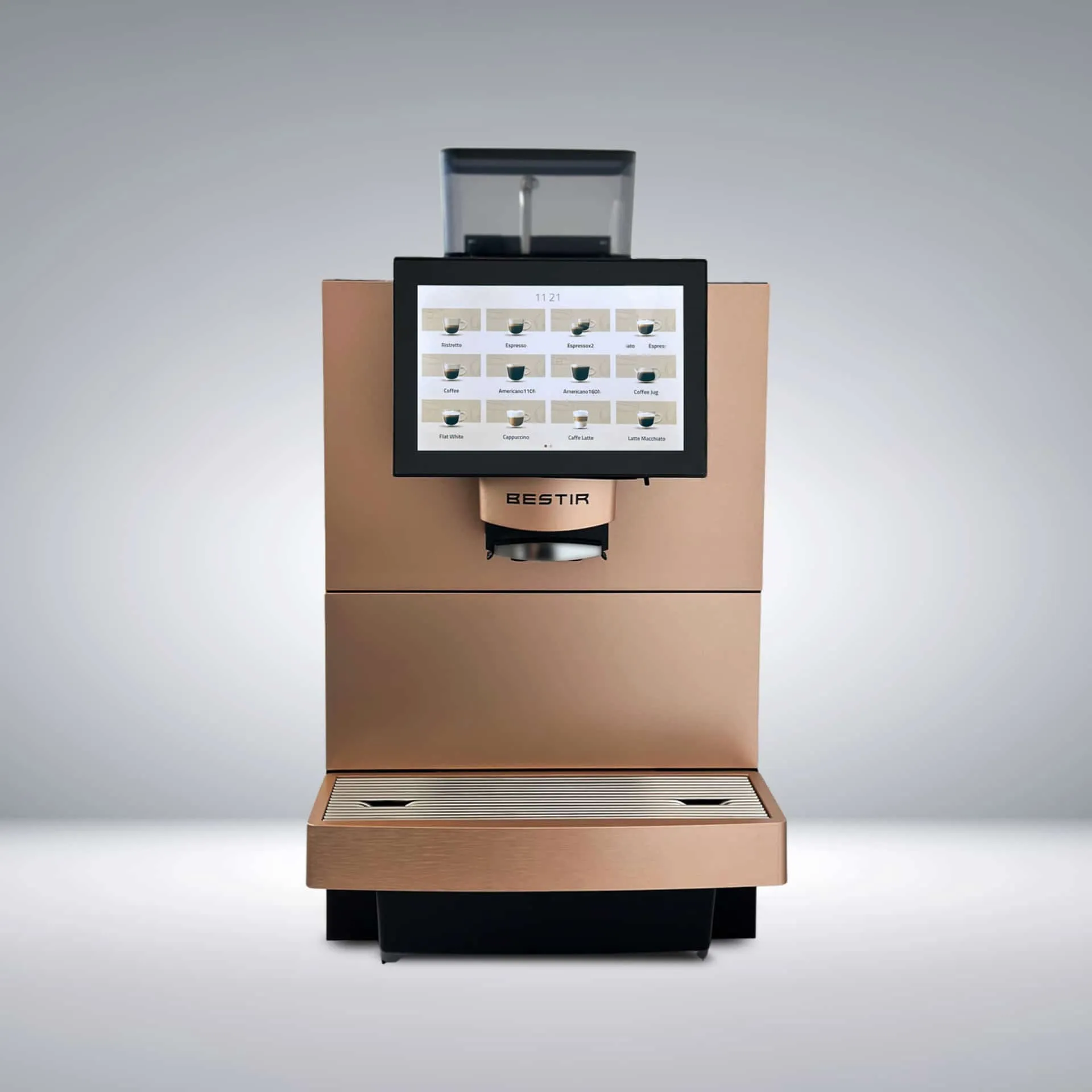
Mid-range commercial bean-to-cup machines commonly sit between £250 and £600 per month. This is where many offices, showrooms, salons, studios and customer-facing businesses land. You get better drink quality, stronger output, more menu options and usually a machine that can cope with regular daily use without becoming a bottleneck at 10.30am.

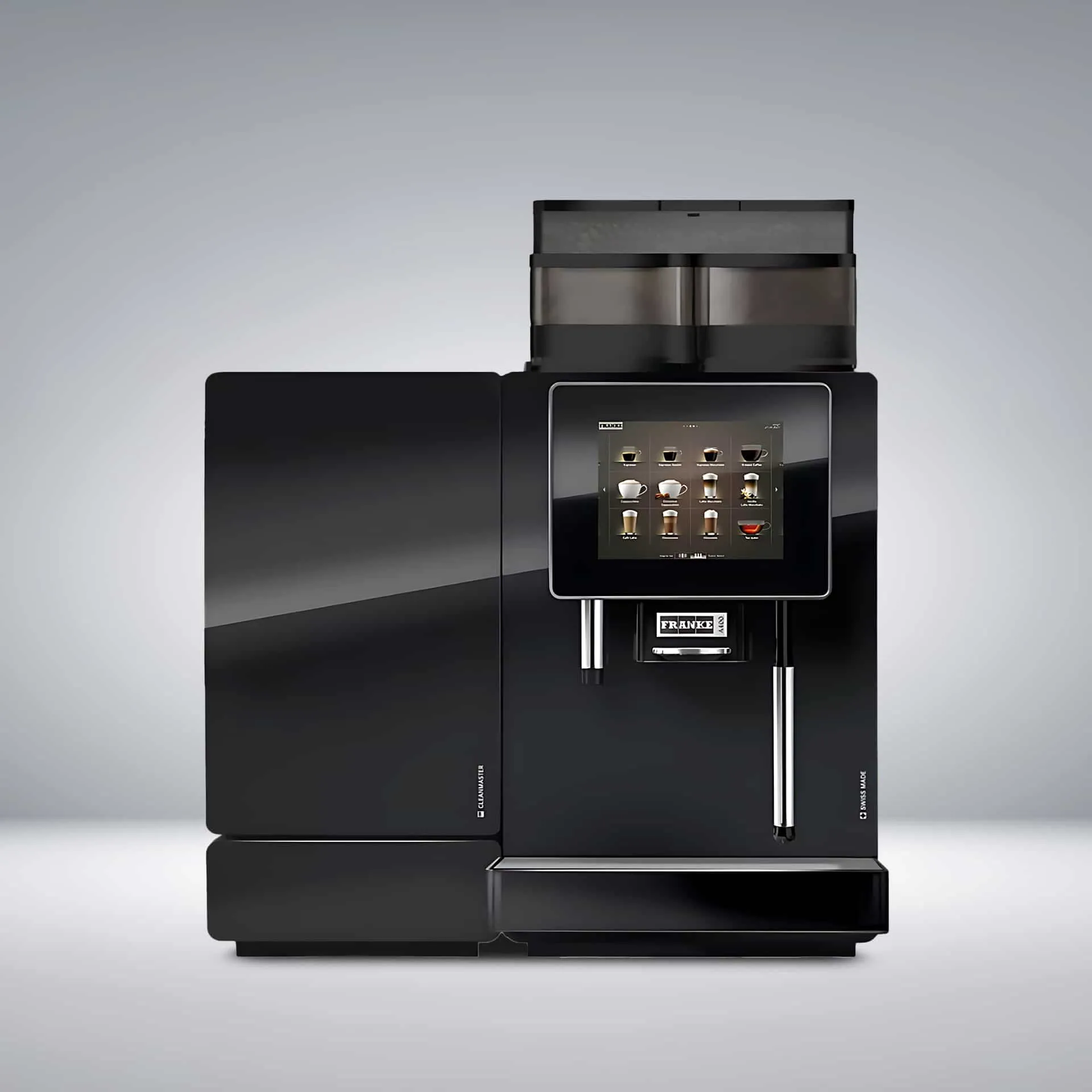
Higher-spec fresh milk machines, dual hopper models, or larger-format machines for hospitality settings can rise to £600 to £1,500+ per month. At that level, you are usually paying for greater speed, drink consistency, capacity, and a setup designed for heavier footfall.

If you prefer to think in weekly figures, that often works out at around £25 to £60 per week for smaller machines, £60 to £150 per week for mid-range setups, and £150+ per week for premium or high-volume equipment.

The key point is this: the rental price on its own only tells part of the story. Two machines with a similar monthly cost can represent very different overall value depending on what comes with them.

What affects the cost of renting a commercial coffee machine?

The biggest factor is machine type. A traditional espresso machine, a bean-to-cup unit and a fresh milk system all sit in different pricing brackets because they solve different operational problems. Bean-to-cup machines are popular in workplaces because they reduce training needs and produce consistent drinks quickly. Fresh milk models tend to cost more because they offer a more premium result and involve more components.

Capacity matters just as much. A machine designed for 30 cups a day will not be priced like one built for 200 or 300. More output usually means a stronger internal brew unit, larger bean hoppers, bigger waste capacity and faster drink delivery. If you under-spec the machine to save money, the real cost often appears later in downtime, frustrated staff or poor coffee quality.

The contract length also has a direct impact. Longer agreements usually lower the monthly rental cost because the provider can spread the equipment value over a wider period. Shorter terms offer more flexibility, but they tend to come with higher monthly rates. Neither option is automatically better – it depends on how stable your headcount, site usage and budget are.

Then there is service cover. Some rental agreements are machine-only. Others include installation, calibration, servicing, breakdown support and preventative maintenance. A slightly higher monthly price can be the better commercial decision if it removes the hassle of managing repairs and keeps your coffee service running.

What is usually included in the rental price?

This varies between suppliers, so it is worth looking beyond the headline figure.

A commercial coffee machine rental may include delivery, installation, staff training, and ongoing technical support. It may also include routine maintenance, parts and labour, water filter changes, or a replacement plan if the machine develops a fault. In other cases, those items are billed separately.

Coffee beans, milk, chocolate, cups and cleaning products are sometimes bundled into a wider supply agreement, but often they are not. Some businesses prefer a fully managed solution because it makes budgeting simpler. Others want the lowest machine rental cost and prefer to source ingredients independently.

There is no universal right answer. If you are comparing quotes, compare like for like. A lower rental figure that excludes servicing and consumables is not necessarily cheaper than a slightly higher rate that wraps everything into one managed package.

Rental vs lease vs buying outright

Businesses often use these terms interchangeably, but there are practical differences.

Rental is usually the most flexible. It often suits companies that want lower commitment, simpler support, and the option to upgrade or change setup if needs shift. That can be particularly useful for growing teams, temporary sites, or businesses testing demand in a customer-facing environment.

Leasing tends to involve a fixed finance term and can work well if you want predictable costs over a set period. It may offer lower monthly payments than some rental agreements, but the flexibility can be reduced depending on the terms.

Buying outright means the highest upfront spend but the lowest long-term equipment cost if you keep the machine for years and manage servicing separately. For some businesses, that is the right move. For others, tying up capital in coffee equipment makes less sense than spreading the cost and keeping support included.

If your priority is simplicity, rental often wins. If your priority is absolute lowest lifetime cost, buying may look stronger on paper. If your priority is balancing cash flow with ownership-style budgeting, leasing can be a sensible middle ground.

Choosing the right machine for your budget

The cheapest machine is rarely the cheapest option once it is in daily use. The better question is what level of machine your workplace actually needs.

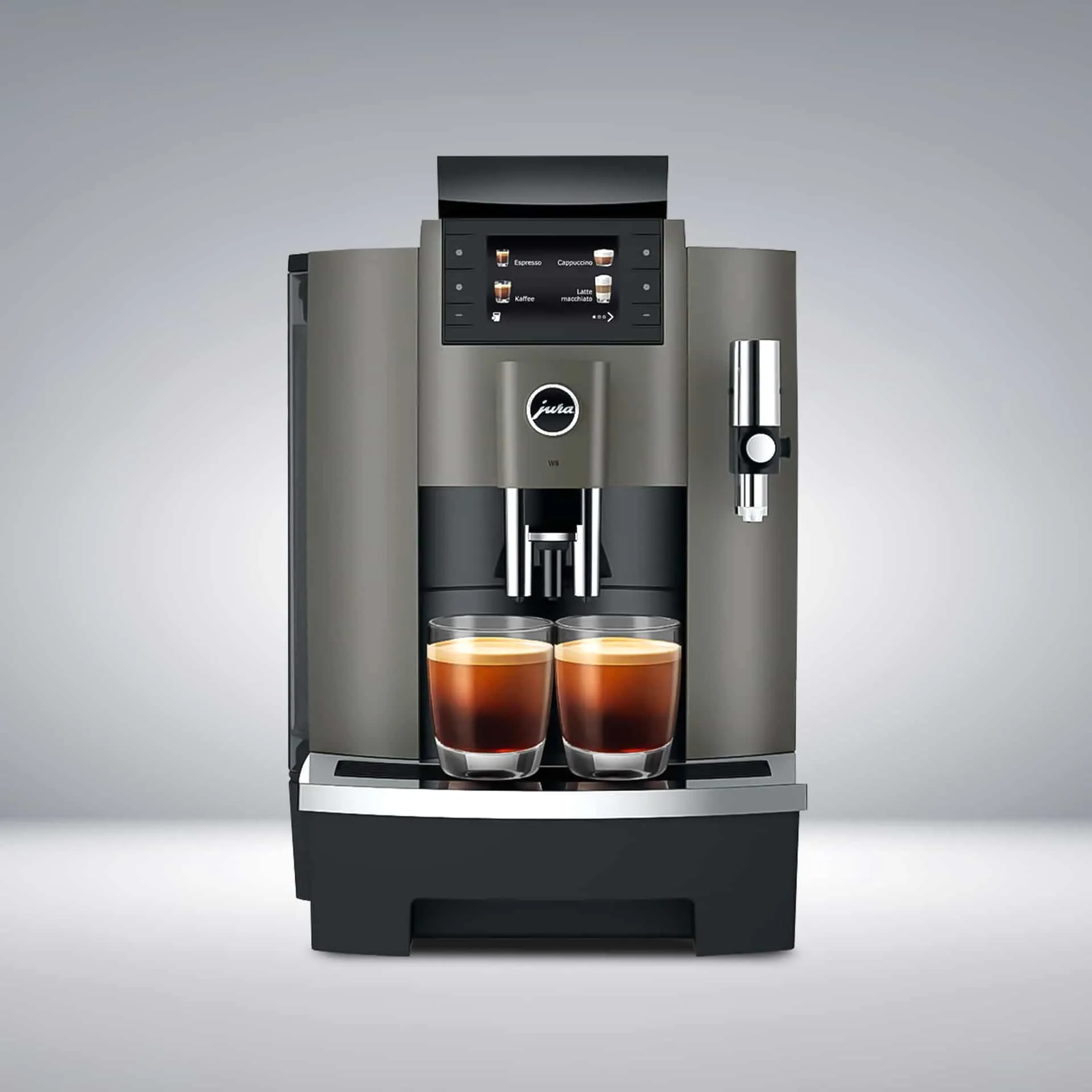
A small office with 15 staff and occasional visitors may be well served by a compact bean-to-cup machine with fresh milk or milk powder, depending on drink expectations. A busy dealership, hospitality venue or co-working space may need a more powerful machine with faster service, dual bean options and direct water connection.

Drink type matters too. If most users want americanos and espressos, your setup can be simpler. If they expect flat whites, cappuccinos and lattes with fresh milk at the touch of a button, the machine specification – and the rental price – will rise accordingly.

Space, plumbing and cleaning requirements should not be ignored. A machine that looks attractively priced but does not fit your counter, water access or day-to-day cleaning routine can become an operational nuisance very quickly.

This is where a consultative approach matters. A good supplier should ask about team size, daily cups, site layout, water access and what sort of drinks people actually want. No pressure, just expert advice – because getting the machine wrong is what really costs money.

Hidden costs to watch for

Most commercial buyers are not caught out by the rental fee itself. They are caught out by everything around it.

Ask whether installation is included. Check whether callouts, parts and labour are covered. Find out if there are fair usage limits, minimum bean commitments, or charges for descaling, missed maintenance or early contract exit.

You should also ask how quickly breakdowns are handled. A cheaper monthly price loses its appeal if your staff kitchen or hospitality area is left without coffee for days. Reliability is not just a technical issue – it affects employee experience, guest perception and day-to-day operations.

Cleaning and upkeep are worth clarifying as well. Some machines are designed to make daily cleaning straightforward. Others need more attention. If your team is busy, a machine that is easier to maintain can save more time than its rental price difference suggests.

So, what should most businesses expect to pay?

For many UK workplaces, a realistic budget for a good commercial coffee machine rental sits somewhere between £200 and £500 per month. That tends to cover a dependable bean-to-cup setup suitable for regular office or customer use, with support options available.

If you need a more premium coffee offer, fresh milk performance, or higher output, budgeting £500 to £1,000+ per month is more realistic. For large hospitality settings or high-volume commercial sites, the figure can move beyond that.

The smart way to budget is not to ask, “What is the cheapest machine I can get?” It is to ask, “What setup gives us reliable coffee, the right drink quality, and support that matches how we operate?”

That is usually where the best value sits. Full House Coffee works with businesses across the UK on exactly that basis – matching machine, volume and service level to the setting rather than forcing a one-size-fits-all answer.

A commercial coffee machine should make the working day easier, not give you another supplier problem to manage. If the pricing is clear, the machine is correctly sized, and the service support is right, rental can be a very sensible way to serve better coffee without taking a large bite out of your capital budget.

Trusted, Certified & Award-Winning

Premium office coffee, backed by recognised industry standards.

Rainforest Alliance People and Nature seal, certifying our commitment to ethical and sustainable coffee sourcing.

Part of the
Rainforest Alliance

SME News Greater London Enterprise Award for Best Coffee, B2B and Coffee Machine Supplier

Best Coffee & Coffee Machine Supplier 2022

The Vending Industry Awards Vendies 2023 nomination for Corporate Social Responsibility.

Nomination for Corporate Social Responsibility 2023

SME News Greater London Enterprise Award for Best Coffee, B2B and Coffee Machine Supplier

Best B2B Ethical Coffee & Coffee Machine Supplier 2022

Global 100 2026 Winner badge, recognizing excellence as a top-tier international coffee service provider.

Global 100 Award
2026 Winner